
 +86-0573-88528475
Cari melalui posting
Kategori produk
Berita Industri
 Oleh admin
Where to Hang a Flag Pole on Your House: Best Locations Explained
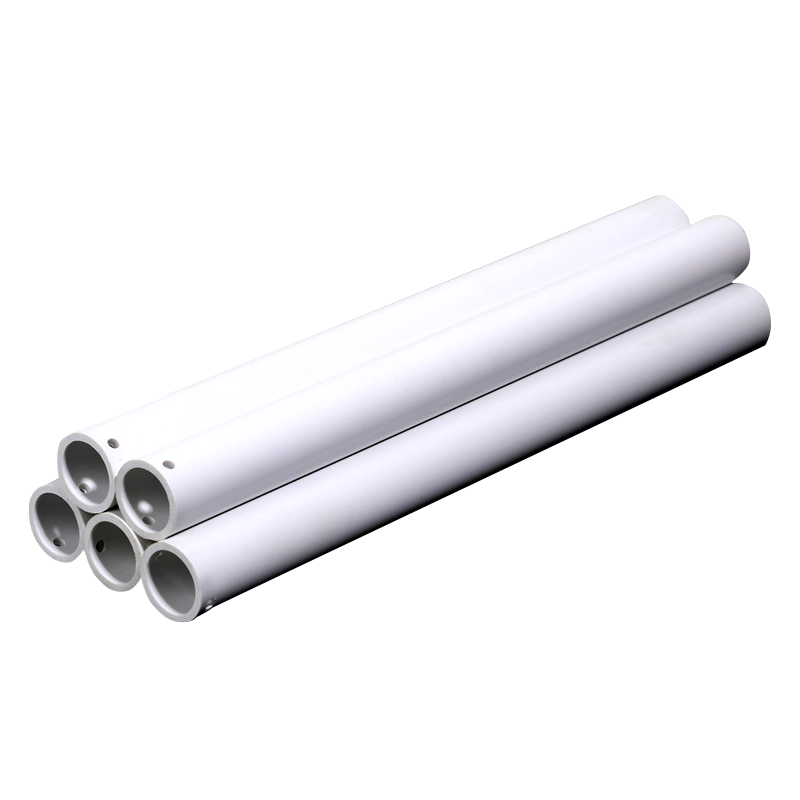
Most homeowners who want to display a flag spend more time picking the flag than deciding where the pole should go. That's a mistake. The mounting location determines how visible the display is from the street, whether the flag flies freely or snags on gutters and tree branches, and whether the bracket is anchored into something solid enough to hold it through wind and weather. Getting the location right first makes everything else — hardware selection, pole length, flag size — straightforward to match. There are four practical locations where a house-mounted flagpole works well, and each suits a different home layout. Understanding the strengths and trade-offs of each helps narrow the decision before a single hole is drilled. The wall beside the front door is the most traditional position for a residential flagpole, and the reason is straightforward: it maximizes both visibility and symbolic effect. A flag at the entrance is the first thing visitors and passersby see, and it reads as a deliberate display rather than an afterthought mounted somewhere out of convenience. The conventional guidance is to position the flag to the right of the front door as seen from the street — which means to the left of the door when standing inside looking out. This follows the general principle in flag display that the flag occupies the position of honor, which is the right-hand side from the observer's perspective facing the building. That said, the practical priority for most residential installations is simply ensuring the flag is clearly visible and that there is enough wall space to mount the bracket securely above head height. For front-door installations, a 45-degree angled wall bracket is the standard choice. The outward angle keeps the flag away from the wall surface, allows it to fly freely in light wind, and makes it visible from a wider viewing angle than a vertical mount would. A 6-foot pole paired with a 3×5-foot flag is the most common residential combination for this location, providing good visual presence without overwhelming a standard door surround. An outdoor white flagpole suited to front-entry and porch display in a lightweight PVC construction keeps load on the bracket manageable while delivering a clean appearance against most exterior finishes. The one practical constraint at this location is clearance. The flag must not swing into the door itself when opened, and there should be at least 3 feet of clear space in all directions from the flag's fully extended position. If the front entrance is recessed or narrow, the garage or porch column locations are worth considering instead. The wall above or immediately beside the garage door is consistently overlooked, yet it offers several practical advantages that the front-door location cannot. Garage-facing walls tend to be large, unbroken, and structurally solid — there is usually wood framing behind the cladding that makes anchor points easy to find. The position also faces the street directly on most residential lots, which means maximum visibility with no angular compromise. Centered above the garage door creates a symmetrical effect that works well architecturally. The pole becomes a visual focal point for a wall surface that would otherwise read as blank and utilitarian. For homes where the garage dominates the street-facing facade — a common layout in suburban housing — this is often the strongest position available. Mounting beside rather than above the garage is the better choice where the garage door header does not leave enough height clearance above it for a flag to fly without risk of catching on the top of the door frame during opening. In that case, positioning the bracket on the wall to one side of the garage, at or slightly above the height of the door opening, keeps everything clear. One consideration unique to this location: the flag should not be so low that it can make contact with vehicles pulling in or out of the driveway. If the driveway runs directly beneath the flag's swing path, mount the bracket higher or choose a shorter flag proportionate to the pole length. For homes with a covered front porch, the porch column or railing offers a mounting option that is structurally distinct from flat-wall installation. Columns are load-bearing members with solid construction, which means anchor points are reliable and do not require a stud finder. Brackets designed for column mounting typically wrap around the column rather than drilling into a flat surface, making the installation reversible and less invasive. Porch-column installations usually position the pole vertically or at a shallow outward angle rather than the full 45 degrees used on open walls. This keeps the flag within the porch envelope without the pole extending so far that it overhangs the walkway or street. A vertical orientation is also the correct display orientation for flags hung on a building's projecting feature, such as a column or railing. Railing mounts work similarly and are common in attached housing situations where exterior wall drilling is restricted or discouraged. The flag hangs over the front of the railing at an angle that keeps it visible from below without the pole needing to be anchored into the building structure at all. This is a practical solution for townhouses, row homes, and condominiums where HOA rules limit permanent exterior modifications. Second-floor exterior walls and balcony railings offer elevation that can actually improve a flag's visibility in neighborhoods where ground-level obstructions — parked vehicles, hedges, low fences — block sightlines from the street. A flag mounted at second-floor height clears most of these obstacles and can be seen from a considerably greater distance. The trade-off is access. Upper-floor installations require working from a ladder or scaffolding, and ongoing maintenance — checking the bracket hardware seasonally, replacing the flag when it shows wear — involves the same access challenge each time. If the bracket is not easily reachable, those maintenance tasks tend to get deferred, which leads to flags flying in poor condition longer than they should. Balcony installations avoid this problem because the railing is typically reachable from the balcony floor. A flag mounted on a balcony railing using a clamp-style bracket can be inspected and adjusted without any ladder work at all. For homeowners with an upper-floor balcony facing the street, this is a strong option that combines elevation with easy maintenance access. A versatile indoor and outdoor flagpole suited to both residential and mounted applications is worth considering here, as its lightweight construction reduces the cantilever load on railing-clamp hardware. Regardless of which mounting position is selected, several clearance and safety considerations apply universally and should be checked before committing to a location. On the question of display orientation, the official U.S. flag display rules under Title 4 of the United States Code specify that when a flag is displayed on a wall-mounted staff, the union — the blue field of stars — should be at the peak of the staff. The flag should never touch the ground, the wall surface, or any other object beneath it. The exterior wall material at the chosen location determines what fasteners are needed and how the bracket must be installed. Using the wrong anchor system for the substrate is the most common cause of bracket failure, and a loose bracket in a windstorm creates damage risk to both the pole and the wall. In all cases, apply a bead of exterior-grade silicone caulk around the perimeter of the bracket base plate after final installation. This seals the wall penetrations against water, which is the primary long-term risk from any exterior wall fixture. The weight of the flagpole itself is a factor that is easy to underestimate when planning a wall-mounted installation. A heavier pole places more cantilever load on the bracket and fasteners — particularly when wind adds dynamic force to the static weight. For residential wall mounting, where the bracket is anchored into a residential-grade exterior wall rather than a purpose-built masonry structure, a lighter pole is simply easier to install securely and puts less cumulative stress on the anchor points over time. PVC and plastic-composite flagpole construction addresses this directly. PVC poles are significantly lighter than aluminum or wood equivalents of the same length, which reduces the bracket load without compromising the pole's ability to fly a standard residential flag. PVC is also naturally corrosion-resistant — it does not oxidize, rust, or require periodic painting or sealing to maintain its appearance on an exterior wall. In coastal and high-humidity environments where metal poles corrode faster, this is a meaningful practical advantage. For homeowners and builders sourcing flagpole components in quantity, PVC flagpole pipe parts suited to custom residential installations offer the flexibility to specify exact dimensions rather than working around standard retail lengths. An easy-install PVC flagpole designed for outdoor wall mounting simplifies the installation process for contractors and DIY installers alike. Where the home's wall height or architectural proportions call for a non-standard pole length, customizable flagpole sizes matched to different house heights and wall spans allow the pole length to be matched precisely to the installation rather than the other way around. The location decision and the pole selection are closely connected. Getting both right — the right position on the house, with the right pole length and material for that position — is what produces a flag display that looks correct, stays secure through weather, and requires minimal upkeep over the years.The Most Common Mounting Location: Beside the Front Door
Above or Beside the Garage: A High-Visibility Alternative
Porch Columns and Railings: Vertical Mount Options
Balcony and Upper-Floor Exterior Walls
Choosing a Location: Key Clearance and Safety Rules
Matching the Mount to Your Home's Exterior Material
Why Flagpole Material Matters for House Mounting
Produk yang disarankan
-
2023 pipa plastik murah baru beberapa warna dan ukuran tiang bendera tangan kustom
-
Bahan PVC Kustom Grosir Desktop Tepi Tepi Tangan Tangan Tangan Tangan Tangan
-
Ukuran Logo Kustom yang Dapat Disesuaikan Plastik Tangan Tiang Bendera Tandai Tepi PVC Besar
-
Plastik Tangan melambaikani pabrik tiang bendera langsung pipa tiang bendera pvc kustom pvc
-
Custom Mudah Instal Keselamatan Tepi Tandai PVC China Factory Hand Waving Flagpole
-
Produk populer baru transparan transparan PVC THAGPOLE UKURAN KUSTOM TANP
-
2023 Berkualitas Tinggi Tangan Tiang Bendera Besar atau Ukuran Tanda Tiang Bantapan Kustom
-
Pabrik Pengiriman Cepat Promosi Grosir Tepi Tepi Tepi Tangan Tangan Tangan PVC
-
2023 meja khusus yang dipersonalisasi dengan tangan melambaikan tiang bendera putih outdoor putih
-
Grosir 2023 Penjualan Panas Bersikap Digunakan Tepi Tepi Tandai Tangan Tangan PVC Kustom
-
Produk Grosir Murah Berkualitas Tinggi Tangan Tiang Bendera Terbaru
-
Grosir Murah Berkualitas Tinggi Tandai Tepi Tangan Tangan Tangan Silindris
Ikuti kami:
Copyright © Tongxiang Guangyu Plastic Products Co., Ltd. Rights Reserved.
